Food-grade γ-conglutin from Australian sweet lupin
Why it matters
Grain legumes will carry much of the growth in sustainable protein for people, and Australian sweet lupin is one of the best placed: a nitrogen-fixing rotation crop that grows on poor soils and low rainfall, is non-GM, and is about 40% protein by kernel weight. Australia is the world’s largest producer, and most of the crop is still used as animal feed.
One lupin protein, γ-conglutin, has been reported to lower blood glucose. It sits in the waste stream of conventional lupin processing, so the raw material is cheap and already there. Poor glucose control affects most people over 65, and the market for nutraceuticals aimed at it is large and growing.
The problem
Three things stand between the protein and a dietary product:
- There is no food-grade, scalable, cost-effective process to extract and purify γ-conglutin.
- It is not known which fragments (peptides) of γ-conglutin are bioactive.
- The mechanism by which it acts on glucose metabolism is not settled.
What we do
The project works on the process and the biology together, so that each steers the other.
- Purification technology. Develop an extraction and purification route that is food-grade and scales, guided by bioactivity measurements rather than by yield alone.
- Bioactive peptides. Identify and characterise the peptides released when γ-conglutin is digested in the gut, since these are the likely active species.
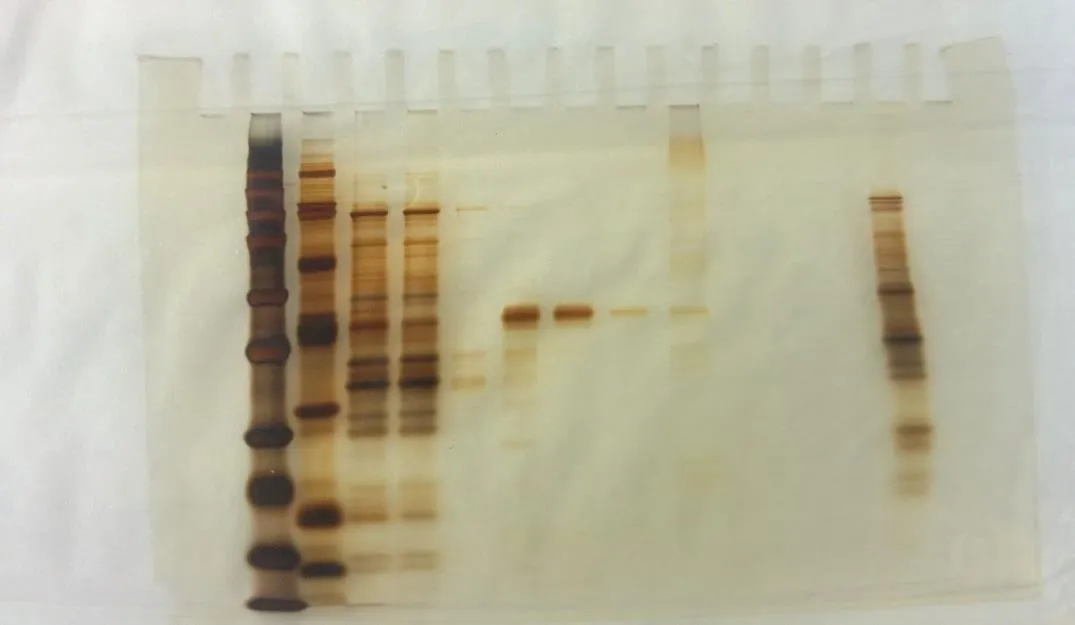
- Analytical methods. Build reliable ways to detect and quantify γ-conglutin in seed, extracts and process streams, which the process work depends on.
Approach
The process side is chemical engineering: choosing extraction conditions, separation and chromatographic steps, and sizing them for scale. The biology side is bioassay work with collaborators in food science and cell biology. Industry partners shape the cost and food-grade requirements from the start.
Outputs
- A review of extraction and purification methods for lupin γ-conglutin: Lupin seed γ-conglutin: Extraction and purification methods
- A validated analytical method: Reverse phase HPLC method for detection and quantification of lupin seed γ-conglutin
- Biological work on the mechanism: Lupin seed hydrolysate and insulin secretion and Antidiabetic effects and mechanisms of action of γ-conglutin
Collaborators
Curtin University (chemical engineering and food science), the University of Milan, Proteomics International, and an industry partner through an ARC Linkage Project.
Contact
For collaboration or student projects in plant protein processing, contact the SMILE lab.